Ultimate Football Manager 27
- 4.4
- Rating
- 5.00M
- Installs
- Free
- Price

 Analysis by App-foxy
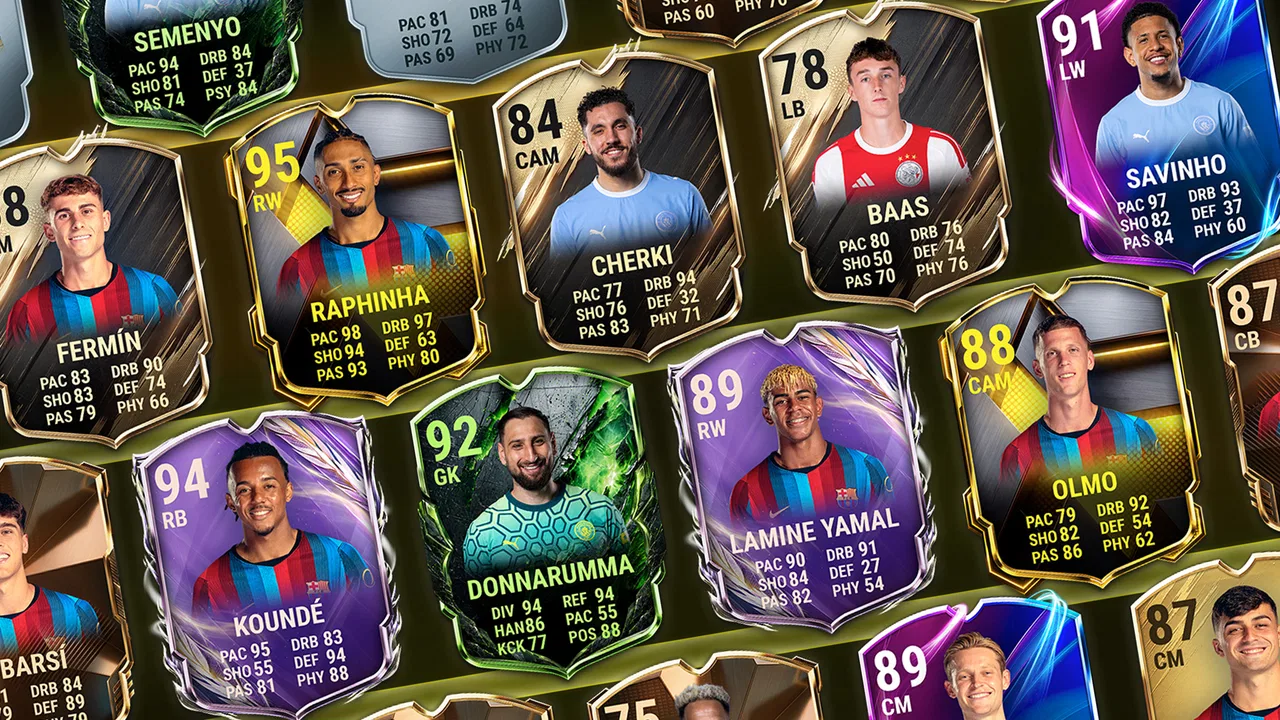
Football management games often look simple until every decision starts competing for attention. Ultimate Football Manager puts me in the familiar role of building a squad, choosing a tactical approach, and trying to turn a season into a consistent run of results. It is a free sports game from Gamebasics BV, rated 4.9 on average from around 26 thousand ratings, with more than 5 million installs. Those figures suggest a large and enthusiastic audience, but the real question is whether the day-to-day management loop feels rewarding rather than repetitive.
After spending time with it, I found that the game works best when I treat it as a routine rather than a collection of dramatic match-day decisions. The strongest results come from checking the squad in a sensible order, changing only what needs changing, and resisting the temptation to rebuild everything after one disappointing performance. That makes it a good fit for players who enjoy planning and gradual improvement, while people looking for direct, action-heavy football may find the pace too deliberate.
How I settled into the manager’s routine
My baseline workflow begins with the squad, not the formation. I first look at which players are available, where the obvious weaknesses are, and whether the current lineup makes sense for the next challenge. This sounds basic, but it prevents a common mistake in management games: choosing a favorite tactic first and then forcing unsuitable players into it.
You May Also Like

 AccuWeather: Weather Radar
AccuWeather Review: A Quick, Clear Forecast for Everyday Decisions
For everyday plans, the best forecast is the one you can understand quickly. AccuWeather makes rain timing, radar, and local conditions easy to act on, with a few trade-offs.

 Hill Climb Racing
Why Hill Climb Racing Still Turns Crashes Into One More Run
A tiny car, a bumpy hill and one more upgrade: Hill Climb Racing keeps resurfacing because its simple chaos makes every near-miss feel personal.

 AliExpress - Shopping App
AliExpress Makes Global Shopping Feel Personal, but Shoppers Bear the Risk
AliExpress turns a global marketplace into a pocket-sized discovery engine. Its reach is useful, its shopping loop compelling, and its trade-offs easy to miss.

 Lords Mobile: Kingdom Wars
Lords Mobile Is a Kingdom-Building Routine, Not a Quick Match
A case-by-case verdict on the building, battles, device demands, and social commitments that make Lords Mobile rewarding for some players and exhausting for others.

 PDF Scanner app - TapScanner
TapScanner Makes Paperwork Easier to Capture, Check, and Share
TapScanner makes scanning with a phone feel less like a rescue operation and more like a dependable step in getting work done. Its capture tools are useful, though not flawless.

 Block Blast!
 Shows How Much a Puzzle Game Can Leave Out
A quiet grid game shows why puzzle players increasingly value instant clarity, repeatable skill and low-pressure play—and where the genre still needs to catch up.
More From Our News Desk
View All News


Once I have a rough idea of the team’s strengths, I set the lineup and review the tactical shape. I prefer making one or two meaningful adjustments instead of changing several areas at once. If the result improves, I know which decision probably helped. If it gets worse, I can undo the change without having to guess which part of the setup caused the problem.
The game’s appeal comes from that sense of responsibility. I am not simply watching a football match unfold; I am deciding how the team should approach its competition and then living with the consequences. A strong result feels earned because it usually follows preparation, while a poor result invites a practical question: was the squad mismatched, was the tactic too ambitious, or did I fail to react to the situation?
I also found it useful to separate routine checks from major decisions. A routine check means confirming the lineup, reviewing the current setup, and making sure the team is ready to continue. A major decision means changing the shape, altering the approach, or committing resources to improve the squad. Keeping those categories separate stops every login from becoming an unnecessary redesign session.
That habit matters in an everyday scenario. If I only have a few minutes during a commute or a lunch break, I can make a quick lineup review and leave deeper planning for later. I do not need to spend every session rebuilding the club. The game supports short visits, but it also gives more committed players enough room to think through a longer-term approach.
Settings I would check before chasing results
The most valuable settings are the ones that reduce friction without taking decisions away from me. I look through the available options early, especially anything affecting notifications, presentation, or how quickly I can move through routine parts of the game. A management title becomes tiring when basic progress requires too many interruptions, so I prefer a setup that lets me focus on the squad and the competition.
I would also check the game’s control and display behavior on the device being used. The minimum supported operating system is iOS or Android 11, so compatibility should be considered before installing. On a newer phone, the experience feels easier to manage when text and menus remain comfortable to read. This is not a game I would choose to play hurriedly on a tiny screen if I wanted to examine every decision carefully.
Notifications deserve a personal decision. They can help players remember to return, but too many reminders can turn an enjoyable routine into a nagging obligation. I prefer keeping only the alerts that genuinely help me maintain the club. If I am already checking regularly, excessive prompts add little value.
The game is free to download and is suitable for Everyone, which makes it accessible to a broad audience. There are in-app purchases ranging from $0.49 to $234.99 per item, so I would recommend deciding in advance whether I want to spend anything. The safest approach is to treat purchases as optional convenience rather than part of the basic learning process. I would first understand the normal progression, then decide whether a purchase solves a real problem or merely speeds up something I could enjoy earning through play.
That distinction is important for younger players and for anyone sharing a device. The age rating makes the game approachable, but the presence of purchases means account controls and spending limits are still worth checking. I would not hand the game to a child without also reviewing the device’s purchase protections.
Repeatable patterns that make management quicker
Experienced play is less about discovering one perfect tactic and more about creating a repeatable decision pattern. My preferred sequence is simple: inspect the squad, identify the biggest mismatch, make a targeted adjustment, and then observe the outcome before changing anything else. This keeps the game readable and helps me learn what my own team is actually good at.
One useful pattern is to keep a stable baseline. I use a familiar setup as a reference point instead of experimenting constantly. When I try something different, I compare it with that baseline rather than judging it emotionally after one result. This is especially helpful after a narrow loss, when the instinct is to make sweeping changes that may create a larger problem.
Another practical habit is to plan the next session before leaving the current one. If I notice a weakness, I make a mental note of the specific area I want to revisit instead of opening the game later with no clear purpose. That turns short sessions into part of a longer plan. It also reduces the temptation to spend resources impulsively just because the latest result was disappointing.
I like using the game in two speeds. In quick mode, I handle the obvious administrative choices and keep the team moving. In deliberate mode, I compare alternatives and think about how the current approach matches the squad. Mixing those speeds makes the experience more sustainable than treating every match or update as a major strategic event.
A less obvious advantage of this method is that it protects me from overreacting to isolated results. Football is naturally unpredictable, and a single result does not always prove that a tactic is broken. If I change the lineup, structure, and overall approach at the same time, I lose the ability to learn from the outcome. Small, traceable adjustments make the game more satisfying because improvement feels connected to judgment rather than luck.
Where the deeper strategy starts to show
The game becomes more interesting when I stop asking, “What is the strongest option?” and start asking, “What is the strongest option for this squad and this situation?” That shift is important. A tactic that looks attractive in theory may expose a weakness in the available players, while a less glamorous setup may produce steadier results because it fits the team better.
I also pay attention to opportunity cost. Improving one area can leave another neglected, and spending too quickly can reduce flexibility later. Even without turning the game into a spreadsheet, I can make better decisions by asking what I am giving up. Is a short-term improvement worth delaying a broader squad adjustment? Will a new player solve a recurring issue, or only cover one match?
That is where the title differs from a straightforward football game. In an action-focused alternative, I can rely on timing and direct control to rescue a difficult moment. Here, preparation carries more weight. If I prefer controlling passes, shots, and movement myself, this will not replace that experience. It is closer to a planning exercise with football at its center.
It also differs from management games that overwhelm the player with the feel of a full professional simulation. Ultimate Football Manager is easier to approach than a dense desktop-style manager, but that accessibility means some players may eventually want more depth than the streamlined routine provides. I see that as a trade-off rather than a flaw: the game is more inviting for casual sessions, while specialists seeking exhaustive realism may prefer a more complex alternative.
My best results came from treating the club as a system of connected choices. A lineup affects the usefulness of a tactic. A tactic affects which weaknesses become visible. Those weaknesses then influence recruitment or future planning. Looking at each part separately is quicker, but connecting them produces better decisions.
Limits that experienced players should understand
The main limitation is that the management loop can become repetitive if I approach it without a personal plan. Checking the same areas in the same order is efficient, but efficiency can feel like routine when there is no larger objective. I get more from the game when I set a goal for a session, such as testing a tactical adjustment or evaluating whether the squad needs balance, rather than merely opening it to collect another result.
There is also a risk of confusing activity with progress. Constantly changing settings, lineups, or approaches can feel productive while making the team harder to understand. The game rewards patience more than frantic intervention, and players who want immediate visible action may find that restraint unsatisfying.
The free-to-play structure is another consideration. The purchase range is wide, and that may make the experience feel less comfortable for players who dislike optional spending being present in a management game. I can enjoy the core routine without paying, but I would still approach the purchase system carefully and avoid making decisions while frustrated by a poor result.
Performance and comfort will depend on the device and the player’s tolerance for menus. The supported operating-system requirement is reasonable for many current phones, but anyone using an older device should check compatibility first. I would also recommend a stable routine for saving attention: this is a game I enjoy more when I can think clearly than when I am rushing through it between distractions.
Players who should skip it are those looking for a fast arcade football experience, a fully manual match simulator, or a game with no interest in long-term planning. It is also not ideal for someone who dislikes revisiting decisions and learning from gradual changes. On the other hand, it suits fans who enjoy testing ideas, monitoring a team over time, and finding satisfaction in a better result that follows a smarter process.
My verdict after building a repeatable approach
Ultimate Football Manager succeeds because it makes football management approachable without removing the need to think. I can begin with a simple lineup decision, develop a reliable routine, and gradually become more deliberate about tactics, resources, and squad balance. The game is at its best when I resist dramatic reactions and use each result as information.
Gamebasics BV has created a sports game that works particularly well for short, repeatable sessions. The current version is 26.21.0, and the large install base shows that the format has found an audience. I would recommend it to someone who wants a football manager they can check regularly without committing to a long match session every time.
My final advice is to establish a baseline early, review the settings that affect interruptions, and make changes one at a time. Keep purchases optional, protect yourself from impulse spending, and do not judge a tactic from one result alone. The best way to enjoy this game is to manage with a plan, not with panic.
For me, that balance is the reason to keep it installed. It is free, accessible, and easy to pick up, yet it offers enough decision-making to reward players who build habits around observation and patience. It will not satisfy everyone, especially fans of direct control or highly detailed simulations, but for a thoughtful football-management experience on a mobile device, it is a convincing choice.
FAQs for Ultimate Football Manager 27
01What platforms is Ultimate Football Manager available on?
Ultimate Football Manager is available on both Android and iOS platforms. You can download it from the Google Play Store for Android devices and the Apple App Store for iOS devices. Make sure your device meets the minimum system requirements for the best experience.
02Does Ultimate Football Manager require an internet connection?
Yes, Ultimate Football Manager requires an internet connection to access certain features such as live updates, multiplayer modes, and cloud saves. While some offline gameplay is possible, an internet connection ensures you enjoy the full range of features and updates.
03Are there in-app purchases in Ultimate Football Manager?
Ultimate Football Manager offers a variety of in-app purchases. These can enhance your gaming experience by unlocking additional features, acquiring premium players, or purchasing virtual currency. While the game is free to download, these purchases can add depth and flexibility to your management strategies.
04Can I play Ultimate Football Manager on multiple devices?
Yes, you can play Ultimate Football Manager on multiple devices as long as you are signed into the same account. The game supports cloud saving, which allows your progress to be synchronized across devices. Ensure that you have a stable internet connection to access your saved data seamlessly.
05How often are updates released for Ultimate Football Manager?
Updates for Ultimate Football Manager are released regularly to improve gameplay, add new features, and fix bugs. Developers are committed to providing a fresh and engaging experience by frequently listening to community feedback and implementing changes that enhance the overall gaming experience.
Pros
- Intuitive interface enhances user experience.
- Comprehensive player stats and analytics.
- Real-time match simulation is engaging.
- Customizable team tactics and formations.
- Regular updates with new features.
Cons
- In-app purchases can get expensive.
- Occasional lag during match simulations.
- Requires constant internet connection.
- Limited league options in free version.
- Advertisements can be intrusive.

Ultimate Football Manager 27
Gallery